learn more
Our Programmes
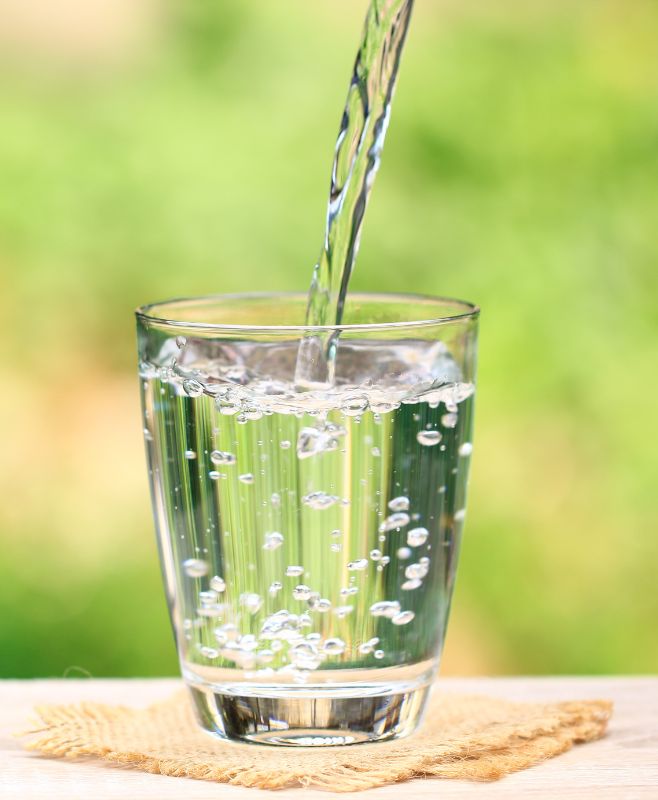
The Water for Tomorrow Programme (WTP) was established in 2021 to address issues threatening South Africa’s water security such as water shortage, overuse and quality.
This contributes towards ensuring enough clean drinking water to meet our country’s ever-growing demands.
South Africa is faced with a water shortage crisis, that if continued unabated, will face result in water deficiencies of 17% by 2030.
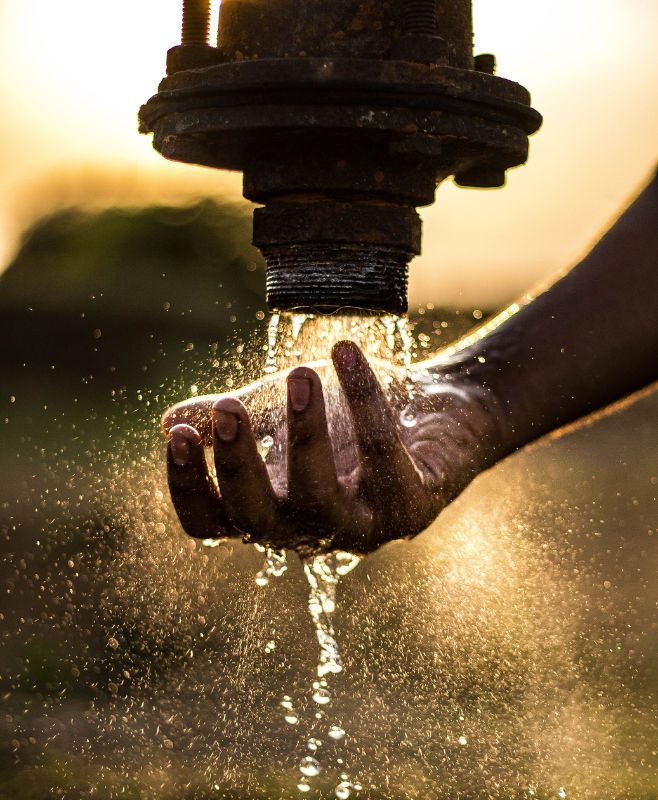
Addressing this crisis starts with water leaks that are responsible for the loss of 37% of potable (drinking) water. These leaks can be attributed to poor water infrastructure maintenance, vandalism and theft of water infrastructure, illegal water connections, and lack of awareness of water conservation.
Schools in underserved communities are amongst the most affected by water leaks. They lack adequate funds to maintain school facilities, including water and sanitation facilities. This is exacerbated by poor organisational structures to support planned facilities maintenance, and a lack of policy related to the maintenance of their facilities. The result is water leaks go undetected and thus are not repaired, which in turn costs schools a significant amount of money each year and the country hundreds of thousands of litres of water each year.
Our on-ground research has shown that, on average, a school loses 800 000 litres of potable water a year through water leaks. This is enough drinking water to provide for 730 people every day for a year!
Through a holistic approach to problem solving and sustainable management, our work in three key provinces includes:
- In Hammanskraal, Gauteng Province, our projects focus on addressing water quality issues by providing schools with water purification solutions, education, and awareness about water contamination and its effects on human health.
- In the Eastern Cape Province and some parts of KZN where unprecedented water shortages are being experienced, we are working with key funder to provide schools with water and storage tanks to increase their water capacity.
- In both Gauteng and KZN, our water conservation projects focus on efforts to reduce water loss resulting from water leaks which are responsible for major water losses and high water usage. Our work focuses on assisting schools to maintain their water infrastructure, and offer skills development support, education and awareness in water use efficiency and vandalism of the water infrastructure.
See this positive work in action under our 🔗 NEWS PAGE
Programme Benefits:
- Saving potable water #100millionlitresby2030
- Enhancing education by facilitating curriculum-linked water-related lessons
- Saving money by fixing water leaks
- Improving water infrastructure and water use efficiency
- Skills development through maintenance management
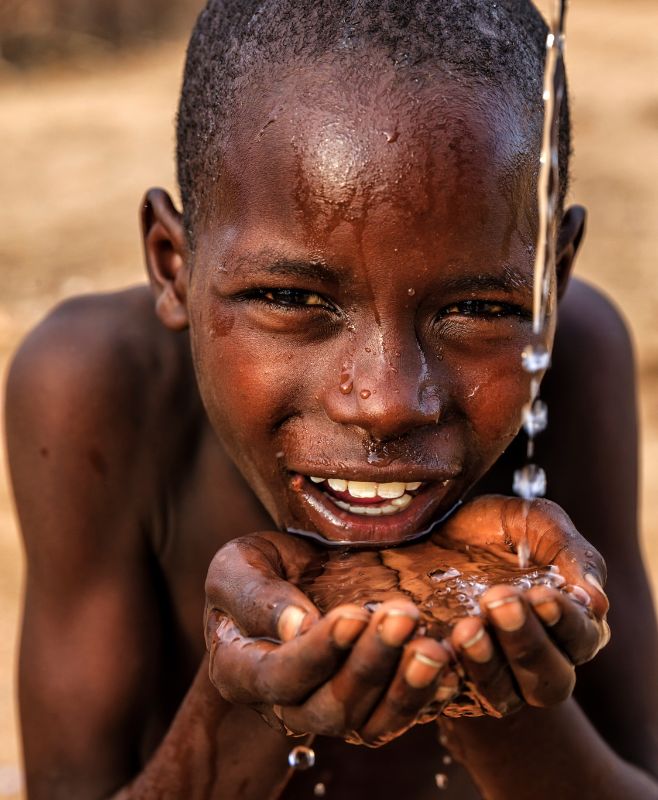
- Improving good health by providing clean drinking water to schools
- Creating jobs in our project activation areas
- Creating a water-use-efficient society through education and awareness
United Nations Sustainable Developmental Goals (SDGs)
Our work is directly linked to the United Nations SDGs. This project is contributing towards SDG3 – Good Health and Well-being, SDG4 – Quality Education, SDG6 – Clean Water and Sanitation & SDG8 – Decent Work and Economic Growth.
Ensure healthy lives and promote well-being for all at all ages.
Ensure inclusive and equitable quality education and promote lifelong learning opportunities for all.
Ensure availability and sustainable management of water and sanitation for all.
Promote sustained, inclusive and sustainable economic growth, full and productive employment and decent work for all.
Ecosystem
Restoration
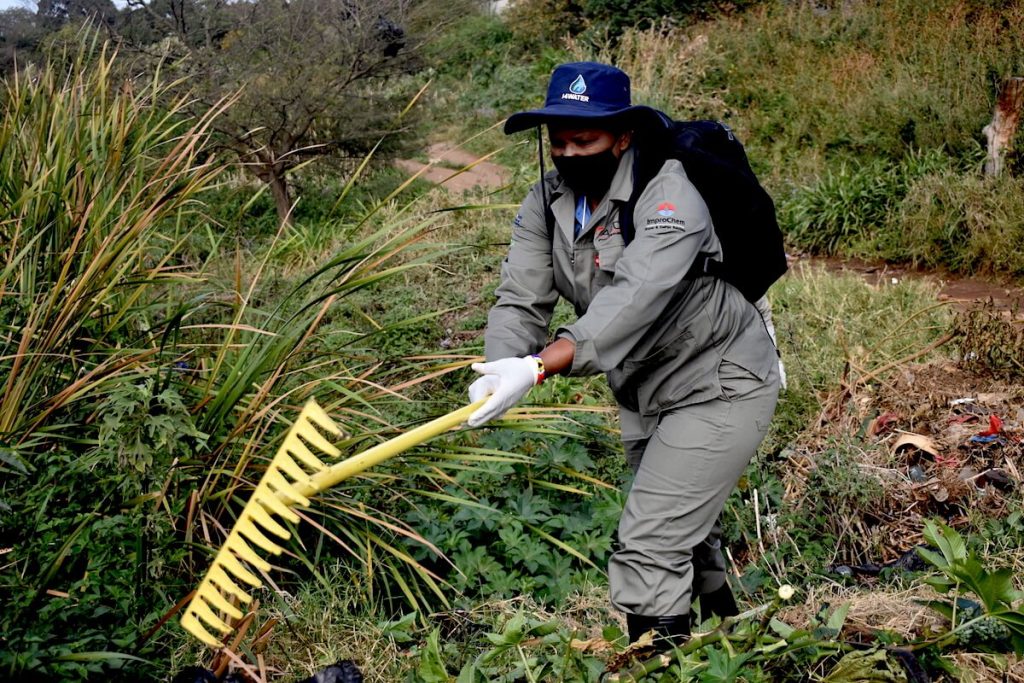
Our Ecosystem Restoration programme focuses on alleviating environmental stresses in green spaces, rivers, wetlands and community surrounds.
The programme ensures restoration longevity through the transfer of skills & tools to local community members under the continued mentorship of triple-P. Our education & awareness within communities extends beyond the benefits of ecosystem restoration to understanding how ecosystems work and how to manage them effectively.
Environmental Legacy School Programme
We want to leave a legacy of environmentally conscious future leaders.
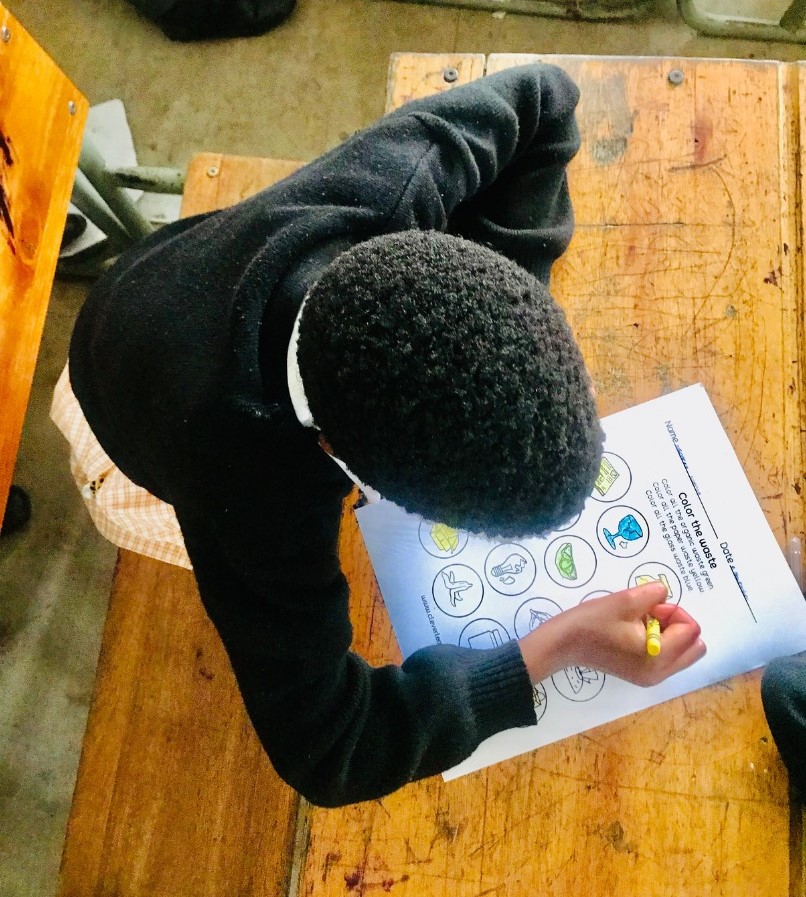
This programme focuses on developing the appreciation for the environment through the development of green skills in schools. We partner with schools to help them develop environmental projects to enhance the knowledge of the learners and transform the schools into environmentally friendly schools.
Skills & Enterprise Development
Currently, South Africa faces an unemployment rate of 33%, significantly impacting the marginalised communities we serve. This is why enterprise development is integral to all of triple-P’s projects and is a key factor to any project’s long-term sustainability.
We believe beneficiaries can take part in caring for their environment whilst earning an income and have thus created our Skills and Enterprise Development Program.
This program strives to empower communities by providing them with environmental skills that create career opportunities and sustainable livelihoods. By doing this, they are also empowered and driven to advocate for the protection of natural resources.
Our skills development initiatives cover a wide range of areas including:
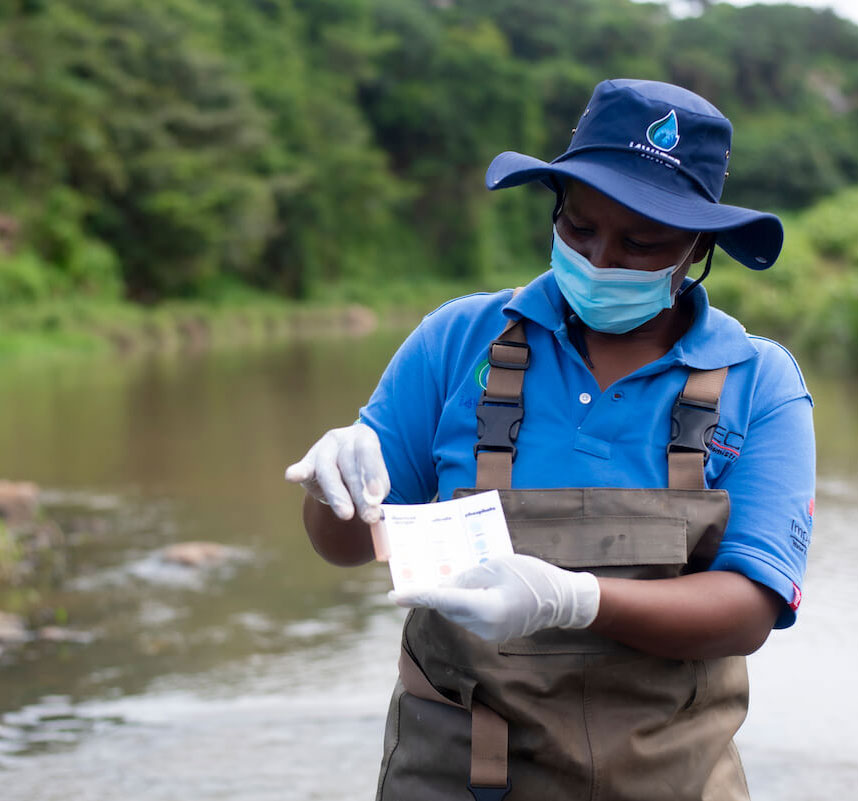
- Ecosystem restoration & aquatic monitoring
- Water, Sanitation and Hygiene solutions
- Waste management, including recycling & upcycling
- Green enterprise development
So far through this program, we have established 8 community-owned green enterprises.